How to Use Lump Charcoal: A Dealer's Honest Guide
By Ash · Published August 2026
Lump charcoal is the closest a home cook gets to real live-fire cooking without building an offset pit in the yard. It lights faster than briquettes, burns hotter, throws less ash, and doesn't stink of accelerants. It also demands more from you — airflow management, ash discipline, and a willingness to add fuel mid-cook instead of just cranking a knob. Every buyer who upgrades from a gas kettle to a kamado calls us about lump within the first month. Here's what we tell them, minus the marketing puff the bag labels are already covered in.
Lump Charcoal vs Briquettes
The two fuels look similar in the bag and cook nothing alike. Lump charcoal is chunks of hardwood — oak, hickory, mesquite, or a mixed blend — carbonized in a low-oxygen kiln until nothing remains but pure carbon. That’s it. No fillers. Briquettes are compressed coal dust, wood scrap, starch binders, borax, and sometimes petroleum accelerants pressed into uniform pillows.
Lump lights in 12 to 15 minutes in a chimney starter versus 20 to 25 for briquettes. Peak temperature runs around 1,000F for lump against roughly 800F for briquettes — the difference between a proper sear crust and a gray-band steak. Lump throws off about a third the ash of briquettes over the same cook. And because there are no binders combusting, the smoke is clean hardwood smoke instead of a chemical undertone.
Lump charcoal on a properly built firebox hits temperatures propane physically can't — restaurant-tier sear in a home backyard.
Briquettes win in exactly one scenario: an unattended 12-hour brisket cook where you want the fuel to burn at a boringly predictable rate without needing a refill. For everything else — direct sear, two-zone grilling, kamado cooking, wood-fired pizza ovens — lump is the better fuel.
“Lump gives you flavor and a temperature ceiling briquettes physically can’t hit. That’s not preference — that’s chemistry.”
Which Wood Species Matter
Not all lump charcoal is created from the same wood, and the species blend on the bag changes how the fire behaves and what the food tastes like. Most premium lump is a mesquite-oak-hickory blend, but single-species bags exist and each has a real purpose.
Mesquite burns the hottest and fastest — great for high-heat sears on ribeye and skirt steak, wrong for anything low-and-slow because it flames aggressively and imparts a strong, almost acrid smoke past 90 minutes. Oak is the workhorse — medium heat, long burn, mild smoke flavor that plays well with beef, pork, and poultry. It’s what most restaurant pits burn. Hickory hits medium-hot with a bold, bacon-adjacent smoke that pork shoulder and ribs love but chicken can’t handle at length.
Cherry and apple are technically fruitwoods and rarely sold as pure lump — they usually appear as chunks you add on top of oak-based lump. Cherry throws a mild sweet smoke that reddens the bark on pork and beef; apple is the softest smoke of the group and pairs cleanly with poultry and fish. If you’re only stocking one bag, run a mesquite-oak blend and add fruitwood chunks on top when the cook calls for it.
How to Light Lump Charcoal Right
A chimney starter costs 20 dollars, lasts a decade, and is the only tool you need to light lump correctly. Skip the lighter fluid — it soaks into the porous surface of the lump, doesn’t fully burn off, and taints the first hour of every cook with a petroleum note you can taste in the food. Every buyer who complains that their steaks taste like a Zippo has been using lighter fluid.
Fill the chimney about three-quarters full for a standard direct cook. Stuff two sheets of crumpled newspaper or one paraffin cube in the bottom cavity, set the chimney on the top grate of your grill, and light the paper. Wait 15 to 20 minutes. The lump is ready when the top pieces show gray ash around the edges and orange glow underneath. Dump onto the firebox, spread with tongs, and put the grate back on. Wait another 5 minutes for the grate to heat before food touches it.
If you’re running a kamado, skip the chimney entirely — put a paraffin cube or two directly in the lump inside the firebox, light them, leave the lid open for 10 minutes, then close it and dial your vents. Kamados heat differently than open grills and don’t need a preheated dump.
Two-Zone Setup for Lump
Two-zone cooking is the technique that separates competent grillers from the crowd. Pile all the lit lump on one side of the firebox — the direct zone runs 500 to 600F for searing. The empty side is the indirect zone, coasting at 250 to 350F, where you finish thicker cuts, rest steaks after searing, and hold food warm without overcooking it.
The reverse sear is the flagship two-zone technique. Set a thick ribeye or a chateaubriand on the indirect side with a probe thermometer, close the lid, let it climb slowly to 115F internal (roughly 30 to 45 minutes for a two-inch steak). Then move it to the direct side over the piled lump for 60 to 90 seconds per side. You get an evenly cooked interior with a hard crust — the crust the piled lump makes possible because it hits 900F plus at the grate.
Two-zone also lets you handle a mixed cook. Chicken thighs on indirect while burgers sear on direct, then swap when the burgers rest. On a 30-inch kettle or a 32-inch built-in charcoal firebox, you have plenty of grate for both zones at once. Don’t try to do two-zone on anything smaller than a 22-inch grate — the zones run into each other.
Temperature Control on Lump
Lump charcoal has one dial and it’s oxygen. On a kamado, that means the bottom intake vent and the top daisy wheel. Bottom vent open one inch, top wheel cracked to a slit, holds 225F all day for pork shoulder. Bottom fully open, top wide open, and you’re at 600F for pizza. Every 10 to 15 degrees of adjustment happens by moving the vent maybe a quarter inch — small changes, then wait five minutes before adjusting again.
On an open-vented kettle or built-in charcoal firebox, you have less precision. The bottom vent still controls burn rate, but you’re rarely holding a specific target — you’re just choosing between hot and hotter. That’s fine for direct grilling; if you need 225F stability, use a kamado or a pellet smoker.
When you need to add fresh lump mid-cook, add it around the edges of the existing hot bed, not on top of the ashes. Ashes suffocate new lump. Push spent ash to the sides with tongs, drop fresh lump into the exposed hot zone, and it’ll light off the existing coals within three or four minutes without dropping your temperature. Have a small pile of unlit lump on the side of the firebox ready to move over — this is the professional habit that separates a smooth eight-hour cook from a stalled one.
Managing the Cleanup
Ash management is the maintenance chore lump owners underestimate. After every cook, close all vents to snuff the fire and save the unburnt lump. Once the firebox is cold — usually the next morning — pull the ash pan or reach in with a small metal scoop and dump the fine gray ash into a metal container. Never a plastic trash bag; hot embers hide in ash for 12 hours and will melt straight through plastic.
The unburnt lump chunks left over are gold. Pick them out with tongs, brush the ash off, and put them back in the bag for the next cook. A typical four-hour direct cook leaves 30 to 40 percent of the lump unburnt if you snuffed the fire properly. Over a season, reusing that unburnt lump saves you two or three bags.
Clean the bottom vent screen every three or four cooks. Ash builds up there and slowly chokes airflow — which is why cooks that used to hold 225F suddenly start dropping into the low 200s. A shop vac with a metal HEPA canister handles the whole ash cleanup in five minutes.
Best Lump Charcoal Brands
Not every bag on the shelf is worth carrying home. Jealous Devil is the premium tier — dense, large chunks of South American quebracho hardwood, burns hotter and longer than anything else on the market, roughly twice the price of grocery-store lump. Worth it for kamado owners who care about long burn times.
Fogo Super Premium is the honest number two — big chunks, minimal dust at the bottom of the bag, clean burn. Big Green Egg branded lump is repackaged from a reputable producer and is a safe default if you own the ceramic and want a matched fuel. Rockwood is a Missouri-made mid-tier — great chunks, oak-forward blend, reasonable price, no complaints.
Avoid the generic hardwood lump you’ll find at grocery stores and gas stations. Most of it is imported dust and shards, throws more sparks than heat, and the bag is 40 percent unusable powder. Cowboy brand in the red bag is the biggest offender — cheap, inconsistent, and full of foreign material like nails and staples we’ve actually pulled out of the firebox. Spend the extra six dollars on Fogo or Rockwood.
When to Use Lump vs Pellets vs Gas
Every fuel has a job. Gas is the daily driver — five-minute preheat, precise temperature, walk away and cook something else while it holds 400F. If you grill three nights a week for a family of four, a well-spec’d gas grill is the right primary tool. Lump is the specialist — the reverse sear, the wood-fired steak, the long kamado cook when you want that hardwood-smoke flavor gas can’t replicate.
Pellets sit between the two. A pellet grill runs like a wood-fired oven with a thermostat — set 275F, walk away, come back six hours later to pulled pork with clean pellet smoke. Great for low-and-slow, mediocre for high-heat searing (most pellet grills top out around 500F). If you already have gas and want to add smoke without becoming a fire tender, pellets are the honest addition.
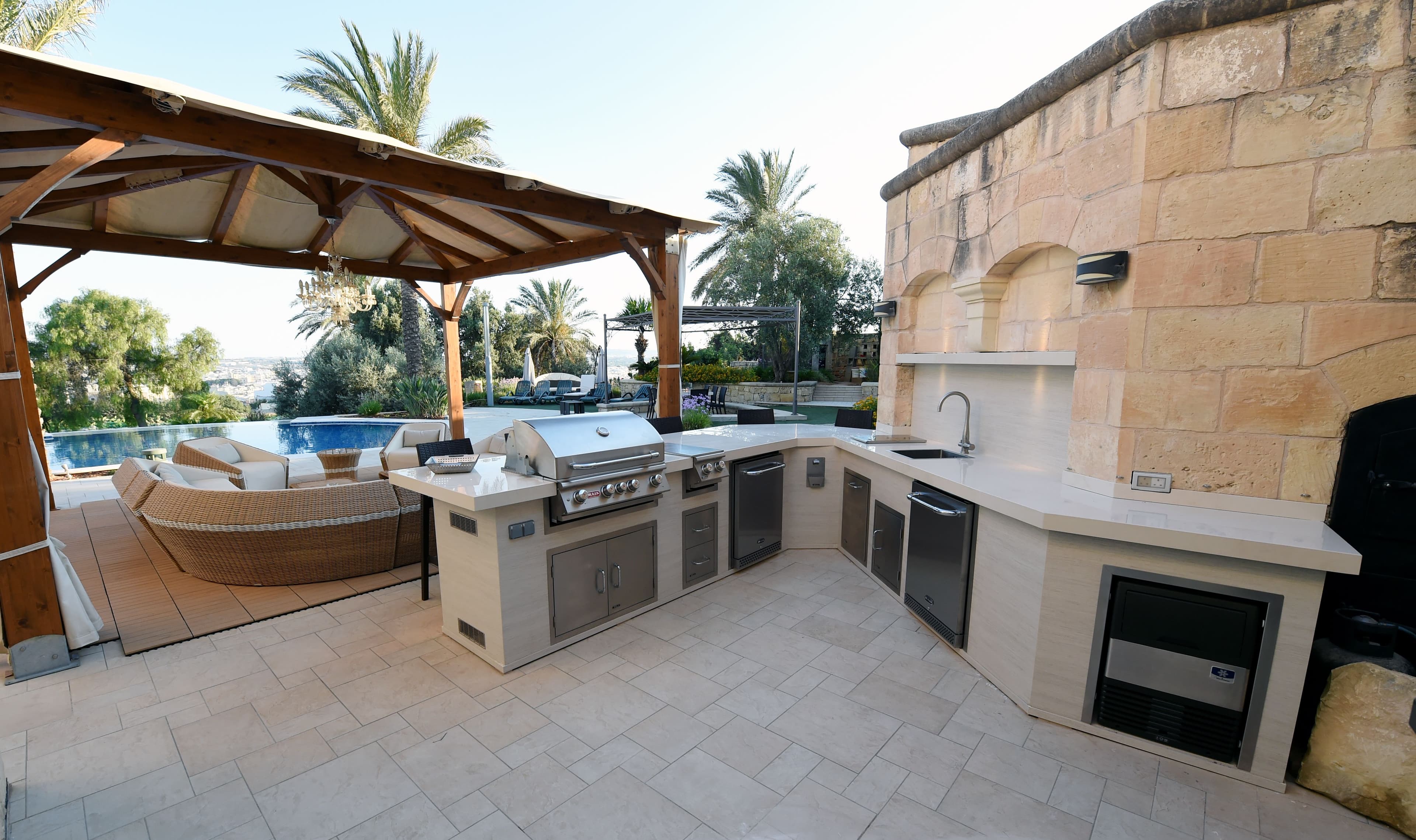
The premium outdoor kitchen we design most often has a 30-inch or 36-inch gas built-in as the workhorse plus a kamado or a Chicago Brick Oven wood-fired for the specialty cooks. Lump lives with the kamado or the wood-fired oven — never as the only fuel for someone who cooks four nights a week. Match the fuel to how you actually cook, not to a purist ideal.
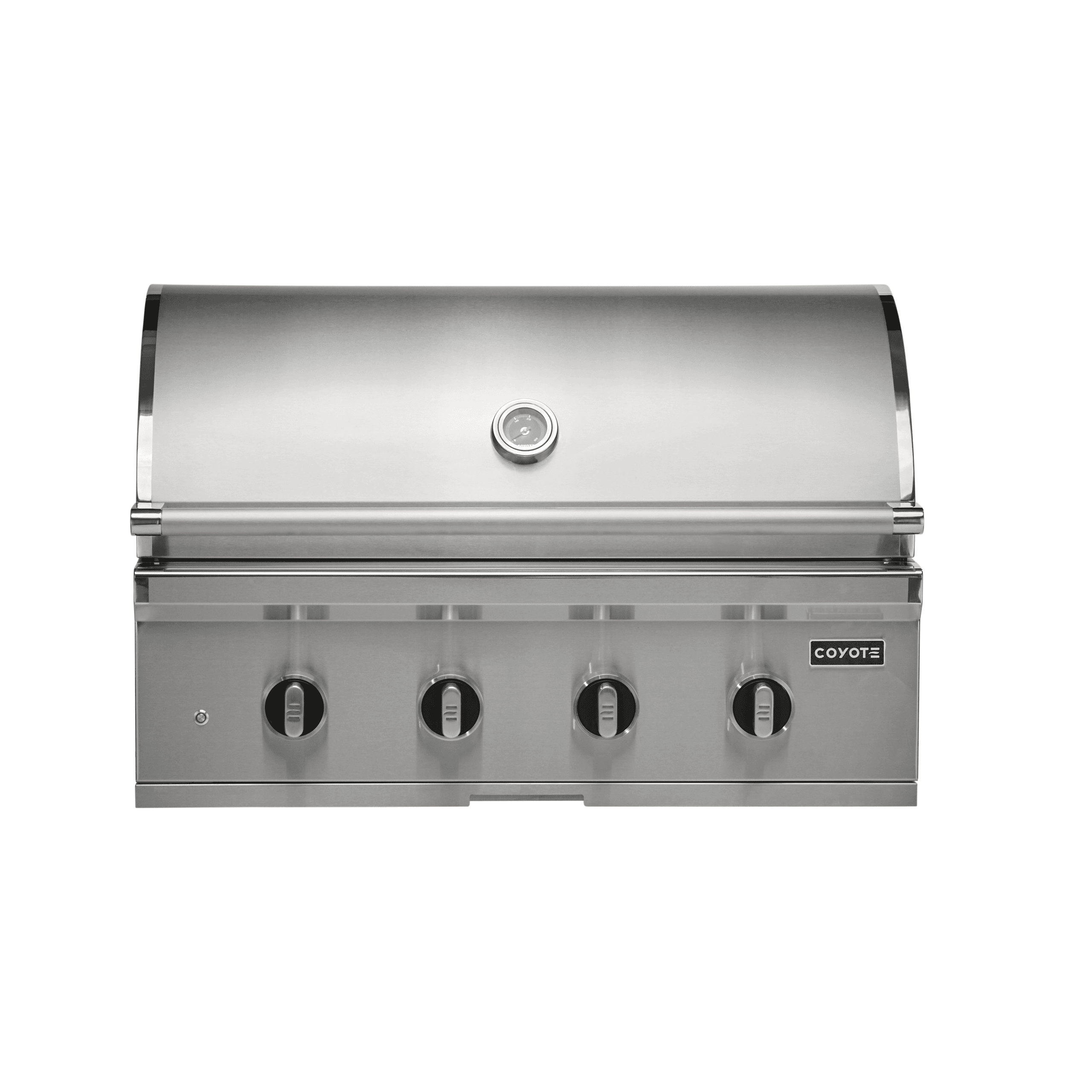
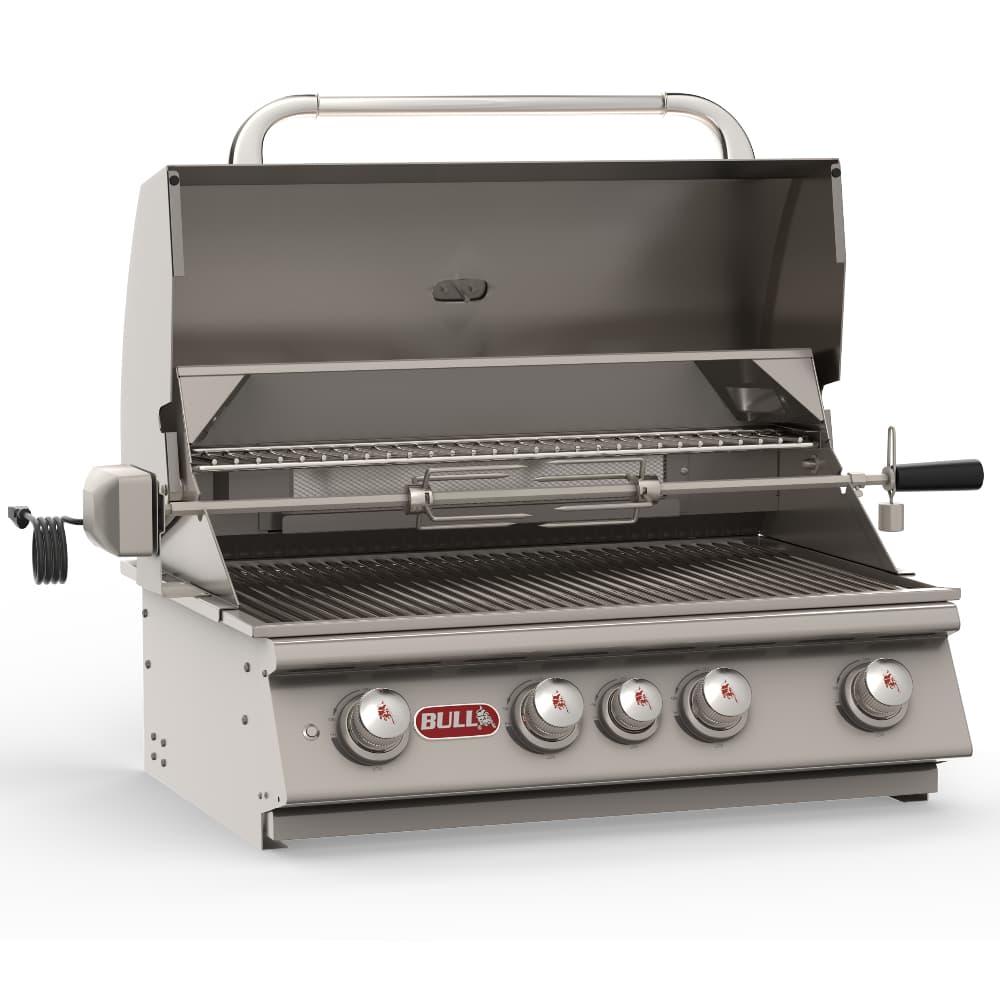
If lump charcoal is your primary cooking style, a real Coyote or Bull firebox will outlast three Weber Performers — and both handle gas when you don't want to wait.
Frequently Asked Questions
Is lump charcoal better than briquettes?+
How long does lump charcoal burn?+
Can you reuse lump charcoal?+
What's the difference between lump charcoal and hardwood charcoal?+
Do you soak lump charcoal?+
Why does my lump charcoal go out?+
Products & brands in this guide
Related reading
Ash — Ash writes the buying guides at FirePits.com — years of specifying fire features on residential installs, from urban patios to mountain properties.