Fresh vs Flash-Frozen Meat: What Actually Matters for Grilling
By Ash · Published August 2026

For most grillers, flash-frozen meat from a reputable butcher is equal to or better than the 'fresh' steaks sitting in a supermarket case. That sounds counterintuitive because we've been trained to treat 'fresh' as a virtue and 'frozen' as a compromise. In reality, the word 'fresh' at a warehouse counter often means a cut that was portioned days ago, held in gas-flushed packaging, and rotated to the front when the manager needed the numbers to look right. Flash-freezing done properly locks a steak at its peak within hours of butchering. What actually matters on the grill is cellular structure, temperature history, and how you thaw. Let's get into what each label really means, and when to reach for which.
What flash-freezing actually does to meat
When water inside muscle cells freezes slowly, it forms large jagged ice crystals that puncture cell walls. Those ruptured cells leak moisture the moment the steak thaws, and that pink puddle on the cutting board is flavor and juice you’ll never taste.
Flash-freezing solves this by dropping the meat’s core temperature past the freezing point fast enough that only tiny, non-destructive ice crystals form. Commercial flash-freezers use blast chillers, cryogenic tunnels, or liquid nitrogen to hit meat with air moving hundreds of feet per minute at temperatures well below zero. A home freezer, by contrast, is a slow chest of about zero degrees Fahrenheit with almost no airflow. That’s why a steak you froze last Tuesday tastes different from a Snake River Farms filet that arrived on dry ice.
“The honest comparison isn’t fresh versus frozen. It’s aged-then-flash-frozen versus barely-aged-and-called-fresh.”
What ‘fresh’ really means at the counter
‘Fresh’ is a marketing word, not a spec. USDA rules allow beef to be labeled fresh as long as it has never been held below 26 degrees Fahrenheit. That leaves a wide window. A cut can be broken down at the packing plant, shipped in a modified atmosphere case, sit at the retailer for a week, and still hit the sales floor stamped as fresh.
Butcher-counter fresh is a different animal. A real shop breaks down primals in-house, ages them intentionally, and turns product fast. If you’re buying from a butcher who can tell you the ranch, the breed, and the kill date, fresh is genuinely fresh. If you’re pulling a styrofoam tray from a lit case with no attendant in sight, ‘fresh’ is doing a lot of work in that sentence.
The aging factor most shoppers miss
Great steak isn’t just about how recently the animal was harvested. It’s about how the muscle was handled afterward. Wet-aged beef sits vacuum-sealed for 14 to 28 days while natural enzymes break down connective tissue, deepening tenderness. Dry-aged beef spends 21 to 60-plus days in a controlled cooler where surface moisture evaporates and flavor concentrates.
Flash-frozen product from top mail-order houses is typically aged first, then frozen at peak. That’s the move you can’t replicate at home. Supermarket ‘fresh’ is often minimally aged because retailers want the fastest possible turn. So the honest comparison isn’t fresh versus frozen. It’s aged-then-frozen versus barely-aged-and-called-fresh.
Vacuum-sealed at 0°F, a properly flash-frozen ribeye holds restaurant-quality texture and flavor for up to a year.
How to thaw meat without wrecking it
Thawing is where most home cooks give back everything the packer did right. The rules are simple. Move the vacuum-sealed cut from freezer to refrigerator the day before you plan to grill. Twenty-four hours is the baseline for steaks up to two inches thick. Larger roasts need 24 hours per five pounds. Keep the meat in its original vacuum bag on a rimmed tray on the bottom shelf so any leak stays contained.
Do not thaw on the counter at room temperature, and do not fast-thaw in warm water. If you’re in a genuine hurry, submerge the sealed package in a bowl of cold tap water and swap the water every 30 minutes until pliable. Microwave defrost is a last resort that partially cooks the edges and ruins texture.
Mail-order meat brands worth buying frozen
A short list of shops that do flash-freezing right. Snake River Farms is the reference standard for American Wagyu and prime beef, portioned and blast-frozen at their Idaho facility. Porter Road out of Nashville pasture-raises whole animals, dry-ages them, and ships either fresh or flash-frozen depending on the cut. Crowd Cow lets you buy from named ranches by the box, with frozen shipping that arrives rock-solid. Holy Grail Steak Co. specializes in the high end, including Japanese A5 Wagyu that only ships frozen because that’s the only responsible way to move it.
Buying from these houses is often a better steak than what your local grocer has, and you’re paying for the meat rather than the retail markup.
When fresh actually wins
Frozen isn’t the answer for everything. Ground beef benefits from being ground the same day for burgers because oxygen exposure and re-freezing dull flavor fast. Sausages made in-house at a real butcher shop are almost always better fresh than shipped. Whole poultry cooks more evenly when it goes on the grill never-frozen because the breast and thigh thaw at different rates.
Delicate seafood is complicated. Wild salmon is often flash-frozen at sea and is superior to ‘fresh’ fish that’s actually been thawed at the counter. Fresh clams and oysters obviously have to be alive. And if you have a trusted local butcher who ages beef himself, buying whole subprimals from him fresh and portioning at home is a top-tier move.
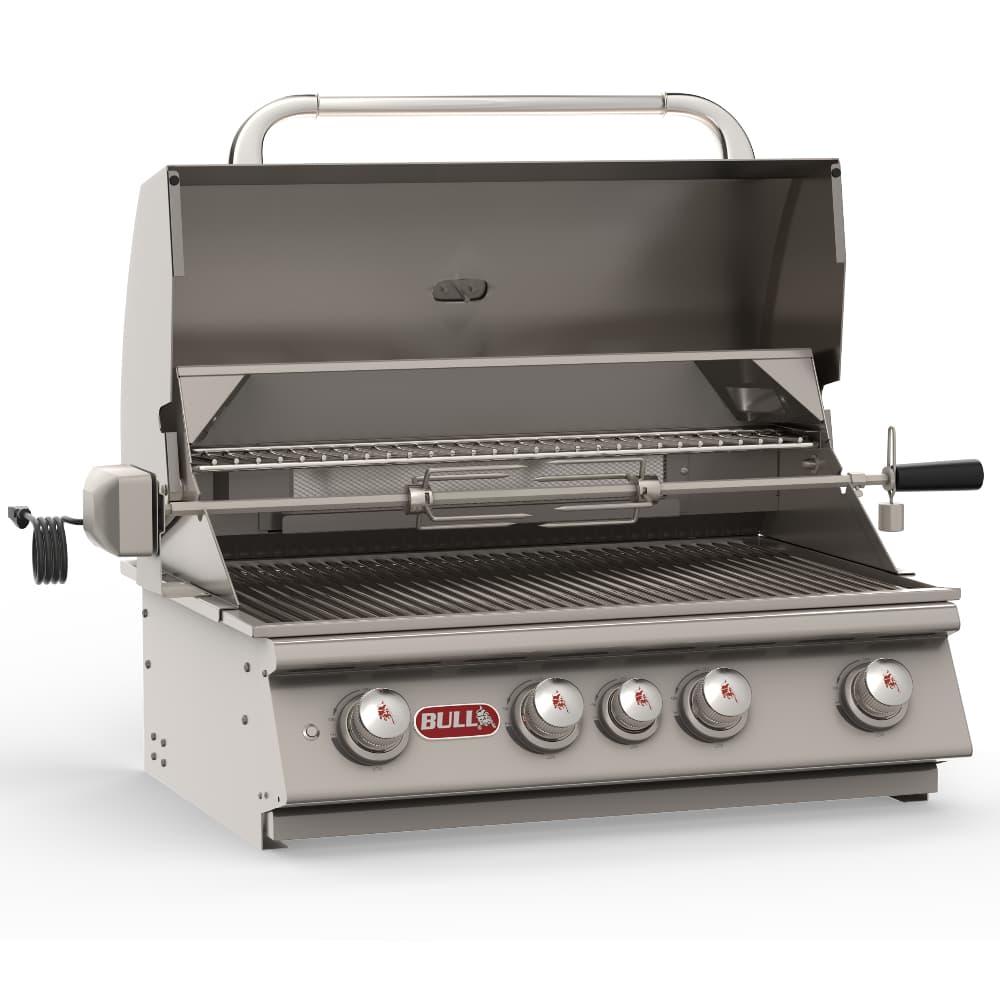
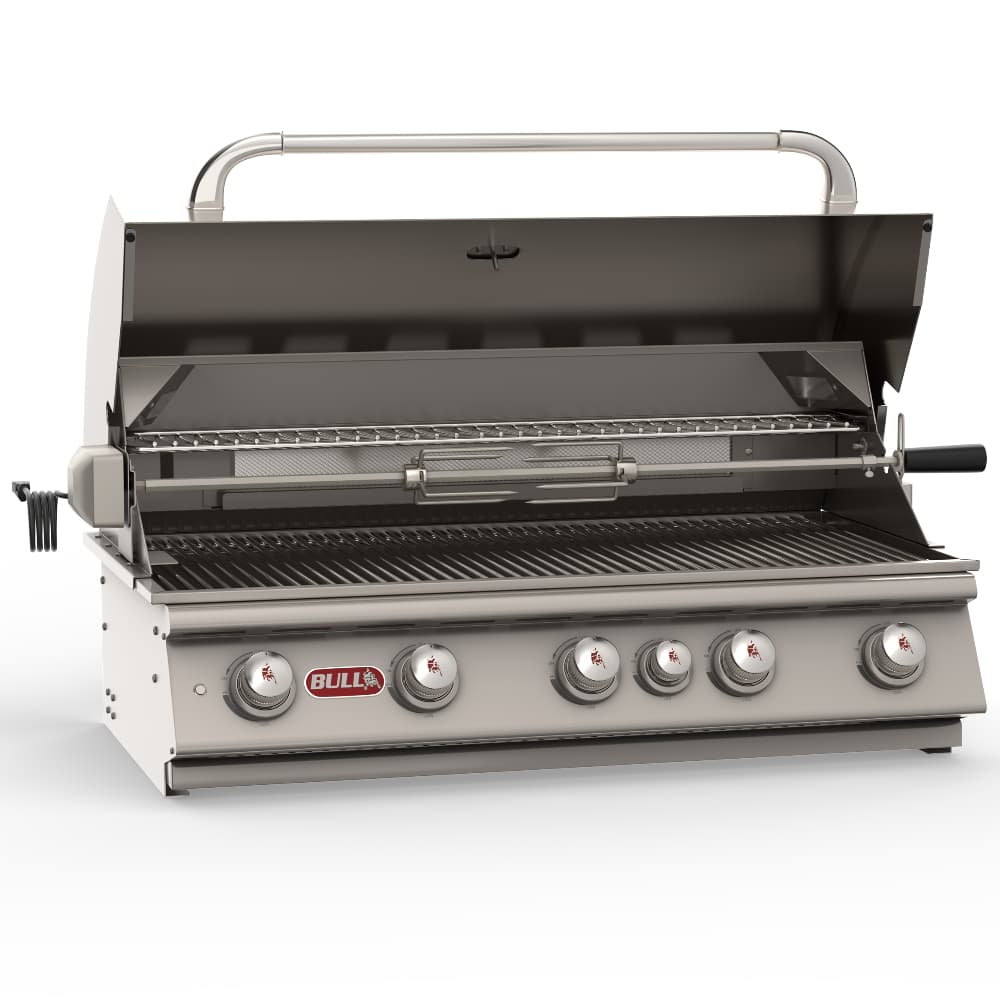
Whatever grade of steak you're grilling, it deserves a real grill underneath. These are the two we recommend most.
When frozen is the smarter buy
Reach for flash-frozen when you want steakhouse-grade beef without a steakhouse markup, when you’re buying for a group and want to lock in pricing weeks ahead, when you want a specific breed or grade your local stores don’t stock, and when you’re grilling on a schedule that doesn’t line up with butcher hours.
Flash-frozen also wins for anything you’d otherwise overbuy and waste. A five-pack of dry-aged ribeyes lives in the freezer at peak quality for months. Five ‘fresh’ ribeyes from the grocery store have about 72 hours before you’re throwing money away. And Wagyu, especially imported Japanese Wagyu, is almost always frozen. Anyone claiming to sell you ‘fresh’ A5 at a strip mall is selling you a story.
Storage guidelines that actually matter
Once meat is in your freezer, keep it there at zero degrees Fahrenheit or colder. Vacuum-sealed cuts hold their quality for 6 to 12 months. Butcher paper alone gives you about 3 months before freezer burn starts oxidizing the surface. Ground meats degrade faster than whole muscle, so use those within 3 to 4 months.
Never refreeze meat that has fully thawed to fridge temperature and been out longer than 24 hours. It’s not always a food safety problem, but the second thaw destroys any texture the first freeze protected.
If you break down a large cut into portions before freezing, vacuum seal each portion individually and label with the cut, weight, and freeze date. Ten seconds with a marker saves a lot of guessing three months from now.
Frequently Asked Questions
Can you actually taste the difference between fresh and flash-frozen?+
How long should I thaw a frozen steak?+
Is it safe to refreeze meat once it's thawed?+
Should I buy Wagyu fresh or frozen?+
Is a butcher shop really better than the supermarket?+
Does vacuum-sealed frozen meat last longer than paper-wrapped?+
Do I need a special freezer for storing bulk meat?+
Can I dry-age frozen meat after thawing?+
Products & brands in this guide
Related reading
Ash — Ash writes the buying guides at FirePits.com — years of specifying fire features on residential installs, from urban patios to mountain properties.